
In today’s fast‑moving digital world, having a solid understanding of what digital marketing is is essential for anyone involved in business, branding, or simply wanting to understand how the online world works. This blog post will guide you through the definition, why it matters, key channels & tactics, how to get started, and major trends to give you a broad and actionable view.
1. Definition: What Is Digital Marketing?
Digital marketing is the umbrella term for all marketing efforts that use digital (online or electronic) channels and technologies to reach, engage, and convert customers. For example:
- According to Mailchimp, digital marketing is “any marketing that uses electronic devices to convey promotional messaging and measure its impact in practice campaigns that appear on a computer, phone, tablet, or other device.
- HubSpot defines it as “an umbrella term for all of your company’s online marketing efforts, businesses leverage digital channels such as Google search, social media, email, online advertising, and their websites.
- According to Wikipedia, it “uses the Internet and online‑based digital technologies to promote products and services.
So, when you ask what digital marketing is, think: “promotion and engagement using digital devices and platforms, rather than only traditional offline methods.”
2. Why Digital Marketing Matters
Understanding what digital marketing is helps you appreciate why so many businesses prioritise it:
- Reach where people are: People spend time in online searching, scrolling, and watching. It allows you to meet them there.
- Measurable & optimisable: Unlike many traditional channels, digital campaigns can be tracked in real time. You can see what’s working, what isn’t, and adjust.
- Targeting & personalisation: Digital allows you to speak to specific audiences (by geographic location, by interest, by device) more precisely.
- Cost‑effectiveness: Because you can optimize and target well, you often get more value from smaller spend compared with broad traditional media.
- Competitive accessibility: Even smaller businesses can leverage digital marketing and compete effectively, provided they use the right tactics.
In short, knowing what digital marketing is sets you up to use it strategically rather than randomly posting online and hoping for results.
3. Key Channels & Tactics of Digital Marketing
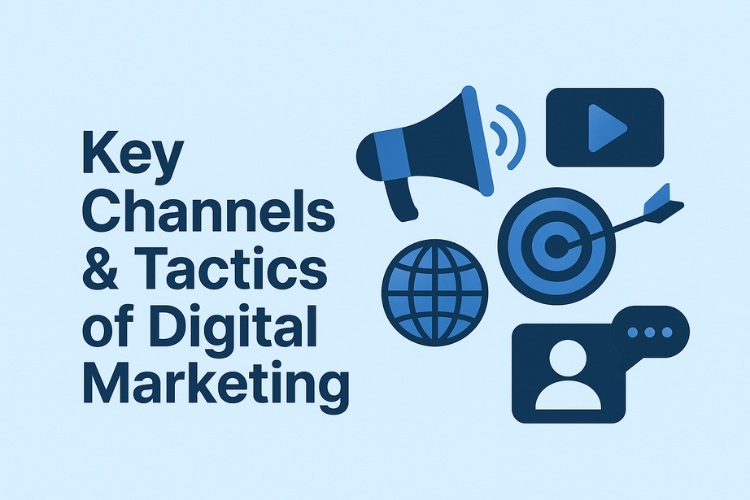
To truly grasp digital marketing, it helps to look at the main channels and tactics that fall under it. Here are some of them:
• Search Engine Optimization (SEO)
Optimizing your website and content so search engines (like Google) display your site higher in results, leading to more organic (non‑paid) traffic.
• Content Marketing
Creating valuable content (blogs, videos, infographics) that attracts your target audience, builds trust, and supports your other digital efforts. HubSpot notes that content marketing and SEO often go hand in hand.
• Social Media Marketing
Using platforms like Facebook, Instagram, LinkedIn, and TikTok to engage your audience, build brand awareness, and drive actions (clicks, shares, conversions).
• Email Marketing & Mobile Marketing
Sending tailored messages (via email, SMS, mobile push) to nurture leads, convert prospects, and retain customers. HubSpot lists email as a major channel.
• Pay‑Per‑Click (PPC) & Online Advertising
Paid ads on search engines, social media, and display networks. You pay for clicks or impressions, but you gain quick visibility and can target specific audiences.
• Analytics & Conversion Optimisation
Because it’s digital, you can track metrics, analyse user behaviour, test what works, and optimise for better results. HubSpot emphasises measuring ROI and tracking every touchpoint.
• Other tactics
Affiliate marketing, influencer collaborations, video marketing, native ads, and remarketing/retargeting all fall under the broader umbrella of digital marketing.
Understanding means recognising that it’s more than just “posting on social media”, it’s a whole set of interrelated tools and channels.
4. How to Get Started with Digital Marketing
Now you know what digital marketing is, here’s a simple roadmap to begin implementing it:
- Define clear goals – What are you trying to achieve? More website traffic? Increased sales? Brand awareness?
- Know your audience – Who are your customers? What problems do they have? Where do they spend time online?
- Select channels – Based on your goals and audience, pick the right digital channels (SEO + content + social + email, for example).
- Create content/campaigns. Write blog posts, design assets, set up PPC ads, and plan your social posts.
- Track & measure Use analytics tools to see what’s working and what isn’t (traffic, engagement, conversions).
- Optimise & iterate – it’s not “set and forget”. You must continuously refine your campaigns based on data.
By following this process, you’re not just doing digital marketing, you’re doing it thoughtfully and strategically.
5. Main Benefits & Value
When done correctly, it would deliver significant benefits:
- Improved targeting & relevance: Reach people who are likely to be interested in your product or service.
- Better ROI: Because you can measure and optimise, you can often spend smarter and get more return.
- Faster results (and longer-term value): Paid channels can bring quicker traffic, while SEO/content builds long‑term value.
- Brand building & customer relationships: Digital allows you to engage with your audience, not just broadcast to them.
- Scalability: As you learn what works, you can scale your efforts and expand reach.
6. Understanding Digital Marketing vs Traditional Marketing
When you ask about digital marketing, it’s helpful to compare it to traditional marketing:
- Traditional marketing includes things like TV, print, billboards, and direct mail. It’s often less targeted, less measurable, and can be more expensive.
- Digital marketing uses online/electronic channels, allows precise targeting, and real‑time measurement. For example, Mailchimp defines it and contrasts it with traditional marketing.
- Digital marketing can be inbound (content, pull) or outbound (ads, push), but leans heavily into devices and platforms.
7. Challenges & Considerations
Even though it is powerful, you should be aware of some caveats:
- Competition & noise: As more businesses go digital, standing out becomes harder.
- Rapid change: Platforms, algorithms, and consumer behaviour evolve fast; what works today may not tomorrow.
- Data & privacy concerns: With digital, you often deal with user data, tracking, compliance (GDPR, etc).
- Need for skill & strategy: It’s not enough to “post something online”; you require clarity of goals, content quality, analytics, and optimisation.
- Resource implications: While digital can be cost‑effective, it still needs consistent effort, time, and sometimes specialist skills.
Final Thoughts
So, in answer to “what is digital marketing?” it’s the practice of using channels, technologies, and tactics to promote brands, engage audiences, drive conversions, and measure results. It’s more than just “being online”; it’s about strategic use of the online world to achieve business objectives.
Now that you understand what it is, you’re in a position to move forward with planning your own digital marketing strategy: define your goals, choose your channels, create meaningful content, measure results, and keep refining.
For more resources about SEO, please visit https://www.lynderdigital.com/seo-resources/