

Introduction
If you’re working to improve your website’s organic search performance, mastering on-page SEO keywords is crucial. On-page SEO refers to the optimizations you make within a web page, its content, structure, metadata, and everything a user and search engine see. According to Ahrefs, these small changes to your page can have a big impact on rankings and visibility, especially as you aim for both search engines and AI-driven assistants.
In this blog, we’ll dive into how to use keywords effectively, optimize content around them, and build a page that serves both readers and search engines.
1. What are “on-page SEO keywords”?

- Keywords are the words or phrases people type into search engines.
- “On-page SEO keywords” refers to how you apply those keywords in your page’s content: in the title, headings, body copy, metadata, URLs, and other visible and hidden elements.
- But it’s no longer enough to just repeat keywords. Search engines now understand topics and context. For example, Ahrefs says SEO is about “covering the topic comprehensively” and matching user intent.
- Why it matters: When a page is optimized around the right keywords and intent, it is more likely to rank for those queries, draw relevant traffic, and satisfy the visitor.
2. Keyword research for on-page SEO keywords
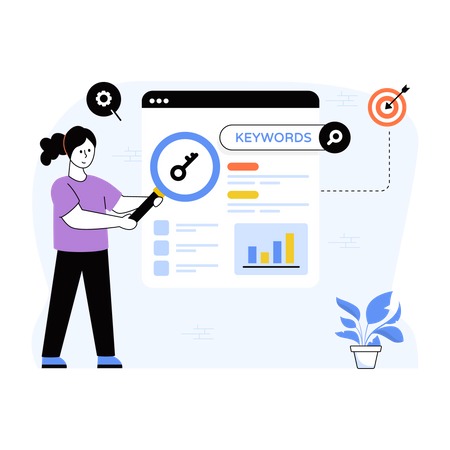
Before you optimize a page, you need to know which keywords to target. Here’s how:
a) Identify the core keyword
- Select one primary keyword (e.g., “on page seo keywords”) that best matches the topic and what users are searching for.
- Use keyword-research tools to find search volume, competition, related keywords, and long-tail variations.
b) Understand search intent
- Match the keyword to why someone is searching: are they looking for how-to information, comparing options, or ready to buy?
- Ensure your content satisfies that intent.
c) Find related keywords and synonyms
- Identify secondary keywords and phrases that support the main topic, for example: “on-page SEO best practices”, “how to use keywords on a page”, “content optimization for SEO”.
- Use them naturally in your content. This helps build topical depth and relevance.
d) Avoid keyword stuffing
- Don’t over-repeat the same keyword in a forced way. That can harm user experience and may result in penalties.
- Instead, use keywords where they make sense, and focus on readability, value, and context.
3. How to optimize a page with your target keyword
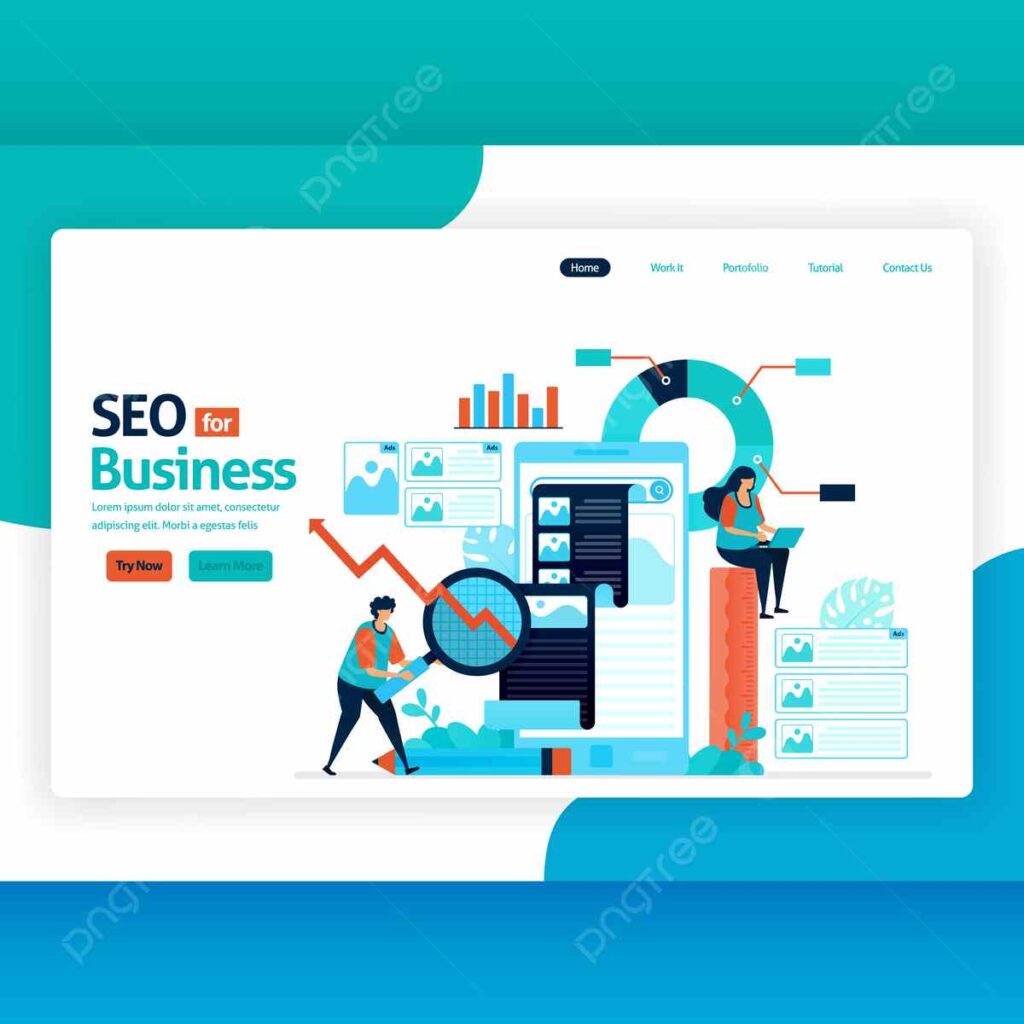
Once you’ve picked your target keyword(s), here are the on-page elements you should optimize.
3.1 Title tag & H1
- Include your target keyword (or a close variant) in the title tag. Semrush emphasises: “Write keyword-rich title tags.
- Your H1 (main heading) should reflect the page topic and ideally include the keyword.
- Keep the title concise (50-60 characters is a good guide) to avoid truncation.
3.2 URL / slug
- The URL should be descriptive, easy to read, and include the target keyword if possible.
- Avoid long strings of dates/numbers or irrelevant words.
3.3 Meta description
- Although meta descriptions aren’t a direct ranking factor, they influence click-throughs from search results.
- Include your keyword (or its variation) and craft a compelling message that encourages people to click.
3.4 Headings (H2, H3…)
- Structure your content with headings and sub-headings; this improves readability and helps search engines understand your page.
- Use the target keyword or related terms where appropriate in subheadings (without forcing it).
3.5 Content body
- Integrate your keyword naturally within the intro, body, and conclusion.
- Provide in-depth, helpful content that covers the topic thoroughly. The aim is to satisfy the reader’s intent and the search engine’s understanding.
- Use synonyms, related terms, and cover related questions to build topic depth and avoid being too narrow.
3.6 Images and media
- Optimize images: use descriptive filenames and alt text that help explain the image (and include keywords where sensible).
- Use visuals to break up text and improve engagement (which can indirectly benefit SEO).
3.7 Internal & external links
- Add internal links to other relevant pages on your site (this helps crawlers, builds authority, and distributes link value)
- Add external links to authoritative, related sites (adds credibility and user value).
3.8 User experience & technical considerations
- Good UX (fast page load, mobile-friendly, clean layout) matters because if users bounce or abandon, it signals issues.
- Make sure the page is crawlable, no indexing issues, avoid duplicate content, and check that the structure is sound.
4. Content optimization around on-page SEO keywords
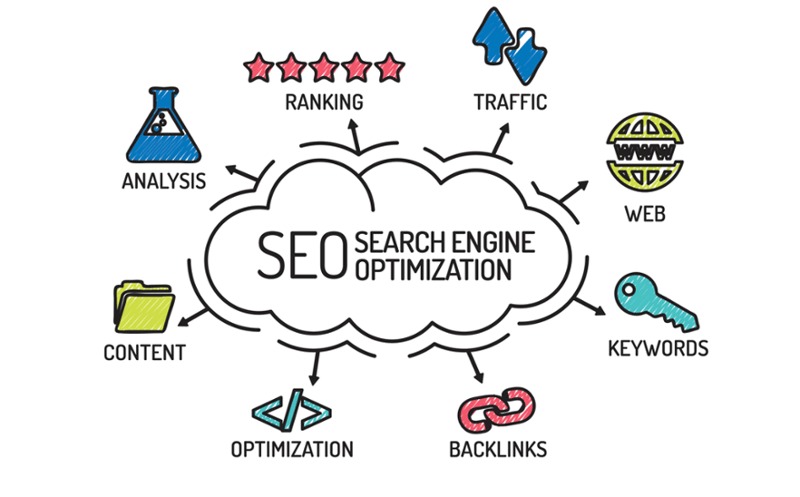
Beyond structural optimizations, the content itself needs to be optimized.
a) Write for humans first, search engines second
- As Mailchimp puts it: “Write content that’s valuable to the user, not just for search engines.”
- Aim to answer the user’s query fully and clearly.
b) Cover the topic comprehensively
- Identify content gaps: topics or questions your competitors miss and cover them. Ahrefs emphasises filling “content gaps” so your page stands out.
- Use related subtopics, FAQs, case studies, data, and examples to enrich your page.
c) Optimize keyword usage (but don’t over-optimize)
- Use your primary keyword naturally in the intro, in some headings, and sprinkled in the content, but not too often.
- Use variations and synonyms (latent semantic keywords) to demonstrate topical coverage.
- Ensure density and usage feel natural. Overuse or forced repetition reduces readability and may hurt SEO.
d) Refresh and update content
- Static pages may lose relevance. Update old pages with new information, better examples, and updated statistics. Ahrefs notes that regular updates can yield steady traffic growth.
- As search engines and user intent evolve, your content should too.
5. Best-practice checklist for “on-page seo keywords”

Here’s a quick checklist you can use to audit or optimize a page:
- Primary keyword chosen (e.g., “on page seo keywords”).
- The title tag includes the primary keyword and is compelling.
- URL/slug is short, descriptive, and keyword-rich.
- H1 includes a keyword (or strongly conveys the topic).
- Subheadings (H2, H3…) are used to structure content; some include keyword/variation.
- Meta description written, keyword included, compelling CTA.
- Content provides value, addresses user intent, and is free of keyword stuffing.
- Secondary/related keywords and synonyms included naturally.
- Images optimized: descriptive filenames, relevant alt text, including keywords where appropriate.
- Internal links to relevant pages; anchor text is natural.
- External links to authoritative sources.
- Page load speed, mobile-friendliness, and accessibility checked.
- Duplicate content avoided; page is unique in body copy, metadata.
- Analytics/monitoring set up to track performance (traffic, engagement metrics).
- Content gaps identified and addressed (e.g., additional subtopics or questions).
6. Why focusing on “on-page seo keywords” still matters

- Although search algorithms have advanced (understanding semantics, topics, and user intent), keywords remain the anchor. They help search engines and users understand what your page is about.
- On-page optimizations are within your control (unlike backlinks). This makes them a cost-effective starting point for many sites.
- With the rise of AI and search assistants, content that clearly signals its topic, intent, and value is more likely to be surfaced as part of answer boxes or conversational summaries. Ahrefs highlights this trend.
- A well-optimized page sets the foundation for broader SEO efforts (off-page links, brand authority). If keywords and content aren’t aligned, other efforts may struggle to pay off.
7. Common mistakes to avoid

- Keyword stuffing: Repeating the same phrase unnaturally. Mailchimp warns that this may trigger penalties or poor UX
- Ignoring user intent: Targeting a keyword but writing content that doesn’t actually satisfy what the user expects.
Neglecting metadata or URL: Even with good content, if the title tag, URL, or meta description are weak, you’re leaving clicks and clarity on the table. - Poor content structure: Long blocks of text without headings, sub-sections, and visuals make it harder to read and harder for search engines to parse.
- Duplicate or thin content: Pages that add little unique value risk being omitted or merged. Mailchimp emphasises unique body copy for each page.
- Poor user experience / technical issues: Slow load times, non-mobile-friendly layouts, broken links all hurt engagement and can hamper SEO.
Conclusion
Optimizing for on-page seo keywords is a multifaceted task, but one you absolutely need to get right if you want strong organic visibility. From selecting the right keywords to optimizing title tags and URLs, to crafting high-quality content that serves users and search engines alike, each piece matters.
Remember: Keywords alone won’t guarantee success. What really drives results is how you use those keywords in a way that aligns with user intent, provides real value, and is structured for both humans and machines. If you follow the frameworks from Ahrefs, Semrush, and Mailchimp, focusing on usability, comprehensive content, and topic depth, you’re well on your way.