
Off-Page SEO (Backlinks, Domain Authority)
Introduction
When you hear “off-page SEO,” what likely comes to mind is the process of acquiring backlinks. And you’d be right, backlinks remain at the heart of off-page optimisation. But it goes beyond just piling up links: the broader picture involves brand signals, authority, relevance, and trust. In this post, we’ll dig into what off-page SEO means, why backlinks and domain authority matter, and how to build a strong strategy that aligns with today’s best practices.
What is Off-Page SEO (and why it matters)
Definition
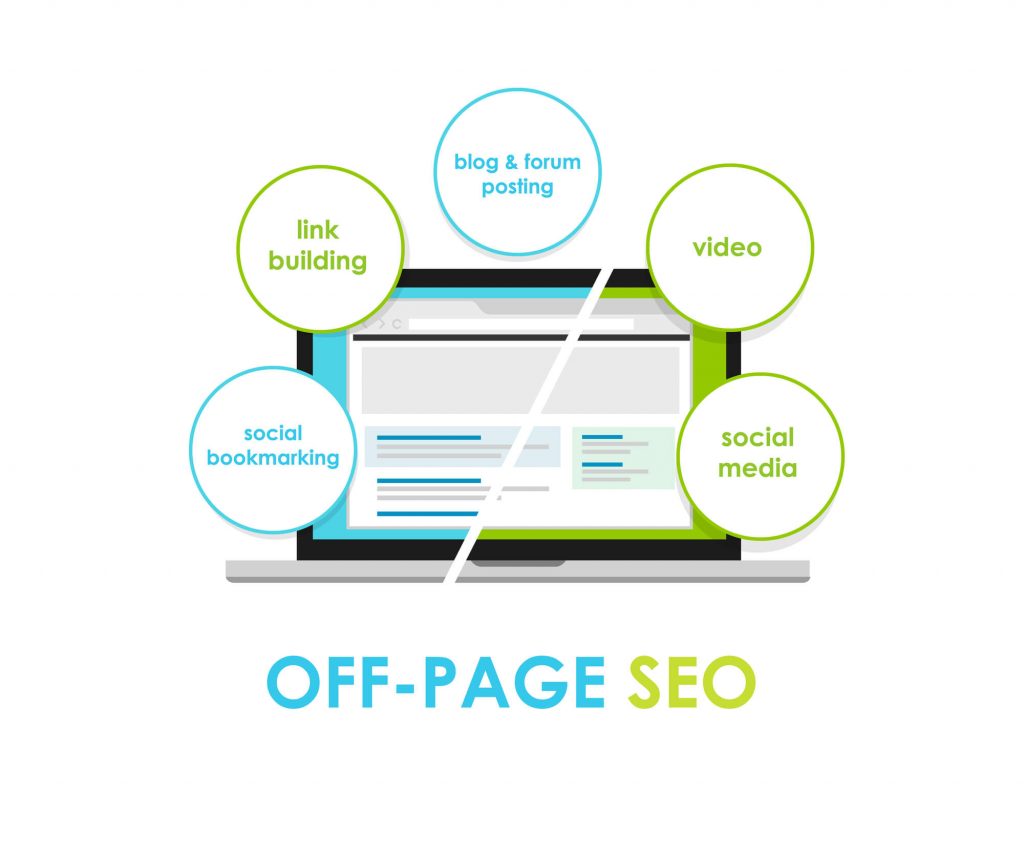
“Off-page SEO” refers to all the actions performed outside your website that aim to improve its visibility and authority in search engine results. For example: backlinks, brand mentions, social sharing, citations, outreach, and more.
Why it matters
Search engines like Google use the web of links and references between sites to assess how trustworthy, authoritative, and relevant your site is. According to one study, sites with more referring domains tend to rank better. In short, you can optimise your content and structure (on-page), but without strong off-page signals, you’ll struggle to rise far in competitive SERPs.
On-Page vs Off-Page
- On-page SEO: The things you control on your site include content quality, meta tags, headings, internal links, and loading speed.
- Off-page SEO: The things that happen outside your site, such as other sites linking to you, talking about you, and sharing you both matter, but in a crowded niche, the off-page component often becomes the differentiator.
The Focus on “Off-Page SEO Backlinks”
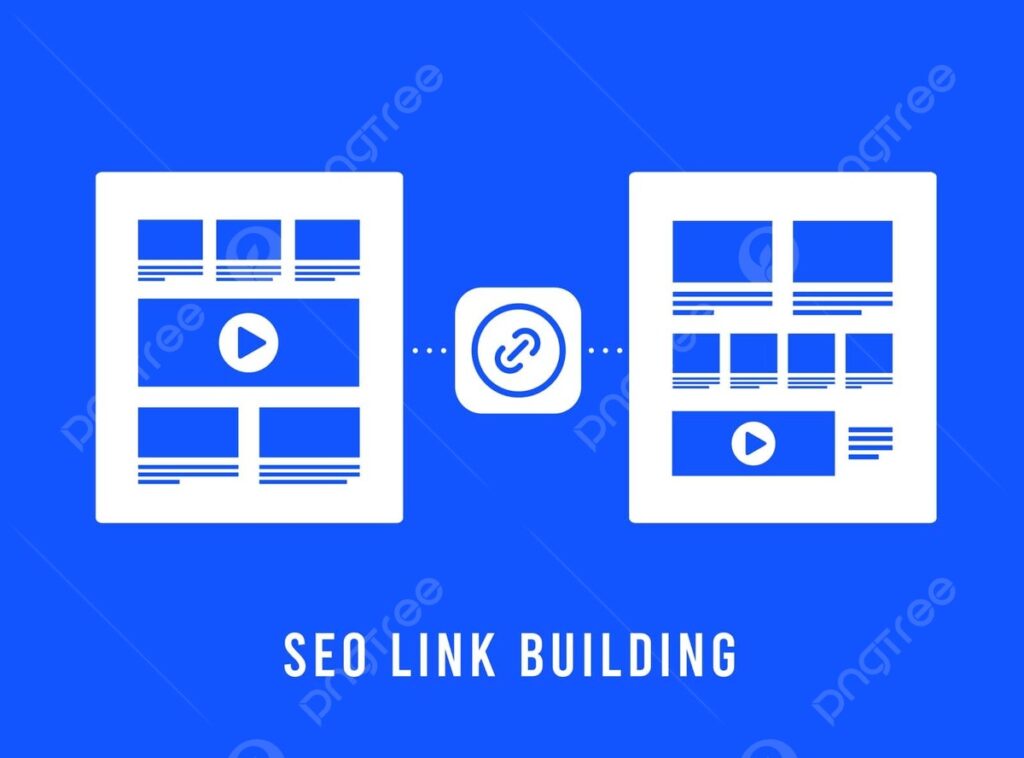
Since our target keyword is off-page seo backlinks, let’s unpack backlinks and their relationship with domain authority (DA) or equivalent authority metrics.
What is a backlink?
A backlink (aka inbound link) is a link from another website that points to your website. It acts as a “vote of confidence” from that site.
Search engines interpret many strong backlinks as a signal that your content is valuable, which can help with ranking.
What is Domain Authority (DA) / Authority Score?
Domain Authority (DA) is a metric (popularised by Moz) that estimates how well a website will perform in SERPs based on link profile, number of referring domains, link quality, and other factors.
The higher the DA of the linking domain, the more “link juice” or benefit your site may gain (all else equal).
Why quality beats quantity
Building hundreds of low-quality links from irrelevant or spammy sites won’t help much — and could even hurt. What matters now is:
- Links from authoritative domains
- Links from sites topically relevant to your niche
- Diversity in link sources and anchor text.
The phrase “off-page seo backlinks” in context
When someone searches for “off-page seo backlinks,” they are typically looking for how to build backlinks as part of an off-page strategy. So our blog will focus on practical techniques, best practices, and how to assess link quality — all while tying back into off-page SEO and domain authority.
Core Components of an Effective Strategy
Here are the key pillars to build into your off-page SEO/backlink strategy.
1. Building High-Quality Backlinks
a. Guest posting & content placement
Publishing content on other authority websites in your niche remains one of the standard ways to earn links and reach new audiences.
Make sure the site you guest post on:
- Has a solid domain authority
- Is relevant to your niche
- Allows you to include a meaningful link (and not just in the footer)
b. Broken-link / resource page outreach
Identify pages on other sites that link to now-dead content or have outdated resources, then pitch your content as a replacement. This helps you earn links while adding value.
c. Create linkable assets
Strong assets attract links naturally: e.g., data studies, infographics, original research, in-depth guides. Because other authors will link to your page to cite the data or resource.
2. Domain Authority & Relevance
- Focus on linking domains (i.e., unique domains linking to your site) rather than just the number of links from a single domain.
- Ensure linking domains are topically relevant. A backlink from a site outside your niche (irrelevant content) may carry less weight.
- Regularly audit your backlinks and disavow/clean up any toxic or spammy links.
3. Brand Signals, Mentions & E-E-A-T
Backlinks are hugely important, but they’re not the only off-page signal. Some other aspects to integrate:
- Brand mentions (even unlinked) on reputable sites help with authority and trust.
- Establishing experience, expertise, authoritativeness, and trustworthiness (E-E-A-T) is increasingly important in many niches. These signals are often external (what others say about you) rather than just what your site claims.
- Social signals and broader online visibility: while social shares alone may not directly rank you, they increase visibility and can lead to more backlinks and mentions.
4. Monitoring, Measurement & Avoiding Pitfalls
- Track your referring domains, link authority, traffic from link referrals, and brand mentions. Tools like Ahrefs, SEMrush, and Moz can help.
- Avoid black-hat link schemes: irrelevant or spammy links can trigger penalties.
- Don’t rely solely on backlinks; a healthy foundation of on-page optimisation and technical health is still necessary.
Step-by-Step Action Plan for “Off-Page SEO Backlinks”
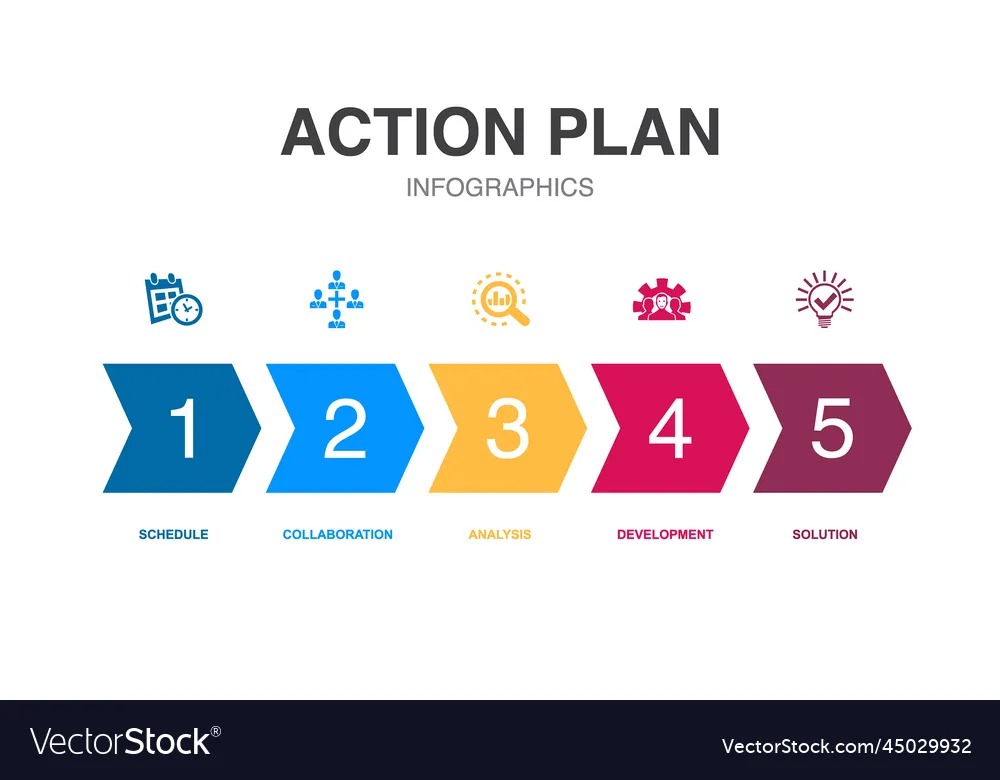
Here’s a practical roadmap you can apply:
- Audit your current link profile
- Use a tool to list your referring domains, link authority, and anchor text distribution.
- Identify low-quality links and consider whether to retain or disavow them.
- Use a tool to list your referring domains, link authority, and anchor text distribution.
- Benchmark your competitors
- Identify the top 2-3 competitors for your target keywords and inspect their backlink profiles.
- Note how many referring domains they have, what domains they link from, and what asset types attract links.
- Identify the top 2-3 competitors for your target keywords and inspect their backlink profiles.
- Create or identify linkable assets
- Choose content that can naturally earn backlinks (e.g., data studies, ultimate guides, infographics, tools).
- Optimise that asset for on-page SEO, so it’s link-worthy.
- Choose content that can naturally earn backlinks (e.g., data studies, ultimate guides, infographics, tools).
- Outreach & placement
- Guest posting: identify sites in your niche that accept guest contributions, pitch topics aligned with your asset.
- Broken-link building: identify dead links on relevant sites and suggest your content as a replacement.
- Resource page links: find “recommended resources” pages in your niche and pitch your asset to them.
- Guest posting: identify sites in your niche that accept guest contributions, pitch topics aligned with your asset.
- Build brand mentions & media coverage
- Leverage PR-style outreach to get your brand or content mentioned on authority publications.
- Participate in podcasts, expert roundups, and interviews. These may not always yield direct links, but they bolster authority.
- Leverage PR-style outreach to get your brand or content mentioned on authority publications.
- Promote your asset for social sharing
- Share on social platforms, send to influencers, embed in your own channels. These amplify the reach and can foster natural links.
- Share on social platforms, send to influencers, embed in your own channels. These amplify the reach and can foster natural links.
- Track and iterate
- Monitor newly acquired, referral ranking changes, and ranking improvements.
- Double down on tactics that work, refine those that don’t.
- Monitor newly acquired, referral ranking changes, and ranking improvements.
Common Mistakes to Avoid

- Focusing only on the quantity of backlinks (ignoring quality or relevance).
- Using the same anchor text repeatedly can look manipulative.
- Expecting overnight results: off-page SEO is a long-term game.
Conclusion
By combining high-quality link acquisition with brand-building, solid content assets, and consistent outreach, you’ll be well-positioned to boost your visibility, authority, and rankings in the SERPs.